Work and Holiday Visa Pause 2026: What’s Actually Changed (and What Hasn’t)
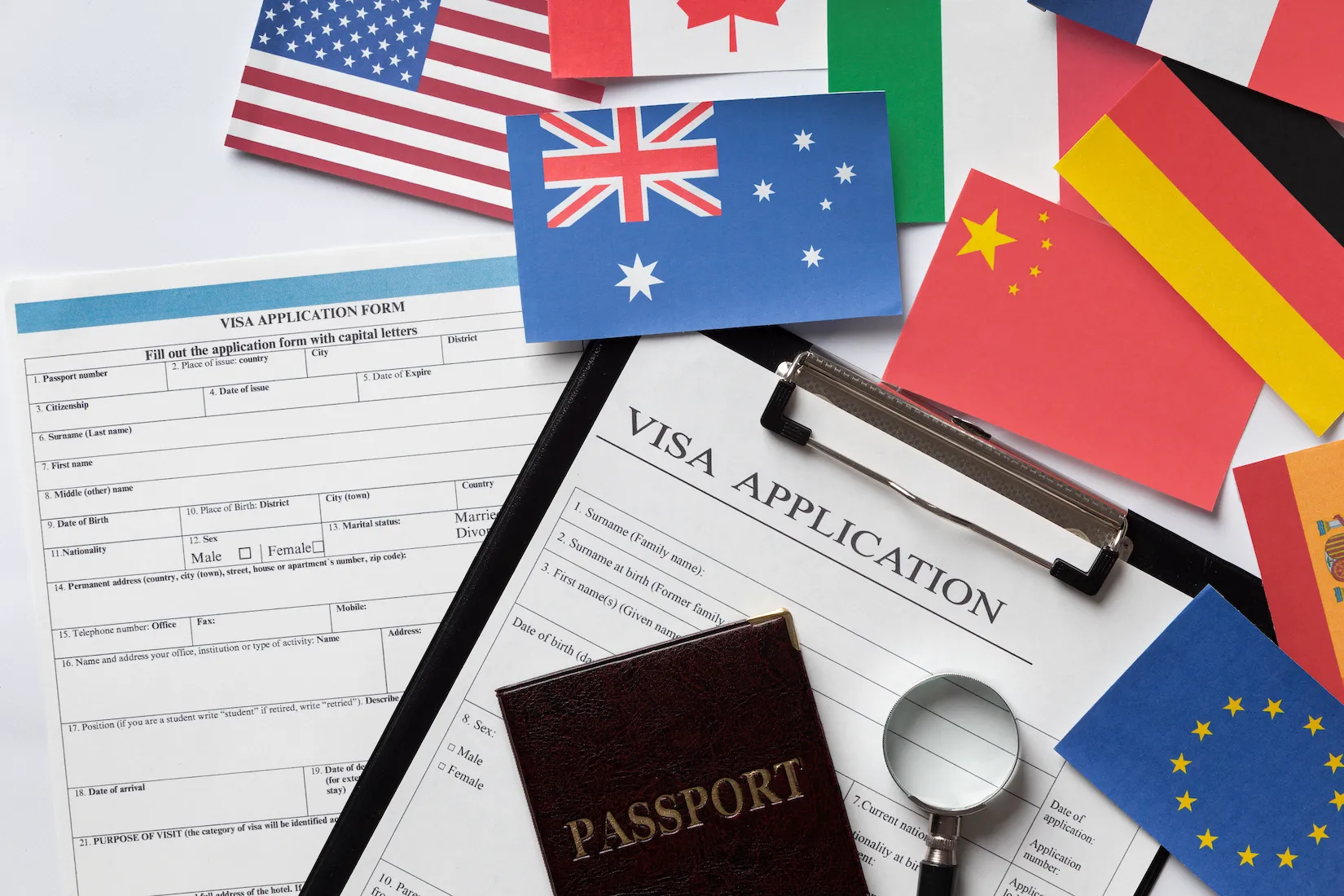
In mid-August 2026, the Department of Home Affairs quietly paused new applications for the Work and Holiday visa (subclass 462) from the majority of its partner countries. There was no formal press release. The change simply appeared on the Department’s website, and it took immigration lawyers and industry groups by surprise.
If you have seen the headlines and are now wondering whether your own visa plans are affected, the short answer is: it depends entirely on which visa you are talking about. This is a Work and Holiday visa issue, not a Working Holiday visa issue, and confusing the two could lead you to make decisions you don’t need to make.
Even ABC News, reporting on the pause itself, ran with the headline “What you need to know about the working holiday visa pause,” despite the pause applying to the Work and Holiday visa. If a national broadcaster can mix up the two, it is fair to say the naming genuinely is confusing.
Work and Holiday Visa vs Working Holiday Visa: Why the Names Matter
Australia actually runs two visas under the umbrella of the Working Holiday Maker program, and their near-identical names cause confusion every year.
The Working Holiday visa (subclass 417) is the older, uncapped stream. It has 19 partner countries, including the United Kingdom, Canada, France, and Japan. There is no annual cap on how many 417 visas can be granted, and applications from these countries continue to be processed as normal. If you hold, or are applying for, a subclass 417 visa, this pause does not affect you.
The Work and Holiday visa (subclass 462) is the newer, capped stream. It covers 29 partner countries, and each country has an annual allocation of places. Once a country’s cap is reached, or nearly reached, the Department can pause new lodgements for that country until the next program year or until capacity frees up. This is the visa subclass affected by the current pause.
The distinction matters practically. A British backpacker applying under the 417 stream has not been affected by this announcement. An Indonesian, Spanish, or Argentinian applicant relying on the 462 stream has been.
This is part of a wider pattern across the skilled and temporary visa system. We recently covered a related shift in processing priorities in our article on Ministerial Direction 119 and priority processing for skilled visas.
What Does “Paused” Actually Mean?
When Home Affairs Minister Tony Burke was asked about the change, he said Work and Holiday Maker visas were being processed more slowly than before, without elaborating further. The Department’s own website explains that lodgements can be paused when a country’s cap is close to being filled, or to spread applications more evenly across the program year. A departmental spokesperson later added that reforms to the program were intended to “better control demand and provide a fairer allocation” of places, without directly confirming the reason for this particular pause.
For applicants, a pause means the online system will not accept a new application from a paused country while the pause remains in place. It does not cancel or affect applications that have already been lodged, but processing for those already in the queue has also slowed considerably, with some July applicants still waiting for updates in mid-August, according to industry reports.
Which Countries Are Affected
Applications have been paused from 24 of the 29 countries in the capped subclass 462 stream, including several of the program’s largest allocation holders:
- Argentina
- Austria
- Brazil
- Chile
- Czech Republic
- Ecuador
- Greece
- Hungary
- Indonesia
- Israel
- Luxembourg
- Malaysia
- Mongolia
- Papua New Guinea
- Peru
- Poland
- Portugal
- Singapore
- Slovak Republic
- Slovenia
- Spain
- Switzerland
- Thailand
- Uruguay
Which Countries Are Not Affected
Only five countries under the subclass 462 stream are still accepting new applications:
- San Marino (100 places, first in first served)
- Türkiye (100 places, first in first served)
- China (ballot system)
- India (ballot system)
- Vietnam (ballot system)
And, importantly, none of the 19 subclass 417 Working Holiday visa countries are affected at all, since this pause applies only to the capped subclass 462 stream. Applicants and current holders from these countries can continue to apply as normal:
- Belgium
- Canada
- Cyprus
- Denmark
- Estonia
- Finland
- France
- Germany
- Hong Kong
- Ireland
- Italy
- Japan
- Republic of Korea
- Malta
- Netherlands
- Norway
- Sweden
- Taiwan
- United Kingdom
Why This Might Be Happening
No official reason has been confirmed. Partial pauses tied to individual country caps have happened before, but a pause spanning almost the entire program is unusual and has been described by industry commentators as a significant departure from how the system normally operates.
Several commentators have pointed to the government’s broader push to bring down net overseas migration, which the current government has targeted at around 225,000 people annually. Former Department of Immigration deputy secretary Abul Rizvi has cautioned that slowing processing is a poor tool for managing migration numbers, since it simply builds a backlog of applications that still have to be processed eventually rather than reducing the total intake.
What Should You Do If You’re Affected?
If you hold a subclass 462 visa from an affected country and were planning to apply, you cannot currently lodge a new application while the pause is in place. Practical steps in the meantime include:
- Confirming your current visa’s expiry date and any bridging visa options if you are already in Australia.
- Checking the Department of Home Affairs website directly for updates on your specific country, since caps and pauses can change without formal notice.
- Considering whether another visa pathway might suit your circumstances if timing is critical.
- Getting advice before assuming a pause means a refusal. It does not. It means the application cannot be lodged for now.
If you hold, or are eligible for, a subclass 417 Working Holiday visa, none of this affects you, and you can continue to apply as usual.
Get Advice Before You Assume the Worst
The overlapping names of these two visas cause genuine confusion, and headlines about a “working holiday visa pause” don’t always make the subclass 462 versus subclass 417 distinction clear. If you are unsure which stream applies to you, or how this pause affects your specific plans, the migration team at CA Legal & Migration can review your circumstances and explain your options in plain English.
Talk to CA Legal & Migration. Whether you are navigating a paused Work and Holiday visa, planning a Working Holiday visa application, or considering another pathway to Australia altogether, our migration lawyers can assess your options and help you plan around the uncertainty. Contact us today to book a consultation.
This article is general information only and does not constitute legal advice. Visa rules and country caps can change without notice. For advice specific to your situation, please contact our migration team.
Recent Posts
- Work and Holiday Visa Pause 2026: What’s Actually Changed (and What Hasn’t)
- Ministerial Direction 119: What Australia’s New Skilled Visa Priorities Mean for You
- Exit Trafficking in Australia: What Migrant Women Need to Know About Their Rights
- STRATA and Community Titles in South Australia: An Introduction
- Partner Visas in Australia: Why Professional Guidance Makes All the Difference
Categories
Don’t tackle this process alone. Let us take care of it for you and get it done right.